
 русский
 Français
 বাংলা
বাংলা 한국어
한국어 日本語
日本語 Latine
 ไทย
ไทย عربى
عربى Hrvatski
 čeština
 dansk
dansk Nederlands
 Pilipino
 Deutsch
 Suomalainen
 Magyar
 Indonesia
 italiano
 فارسی
فارسی Gaeilge
 Bahasa Melayu
 norsk
norsk Português
 Polskie
 Español
 Română
 Slovák
 svenska
 Türk
Türk


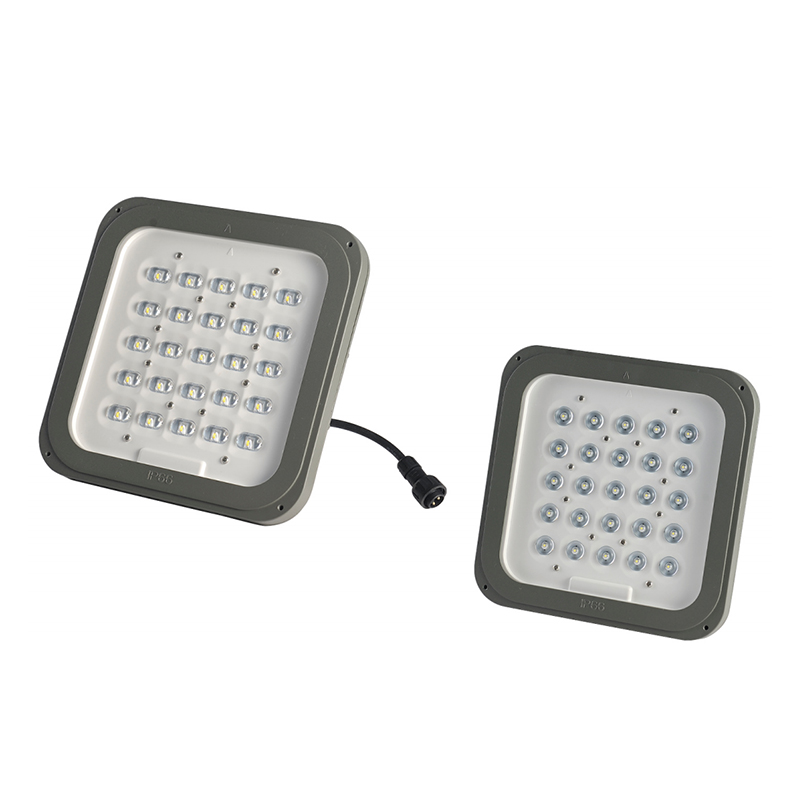
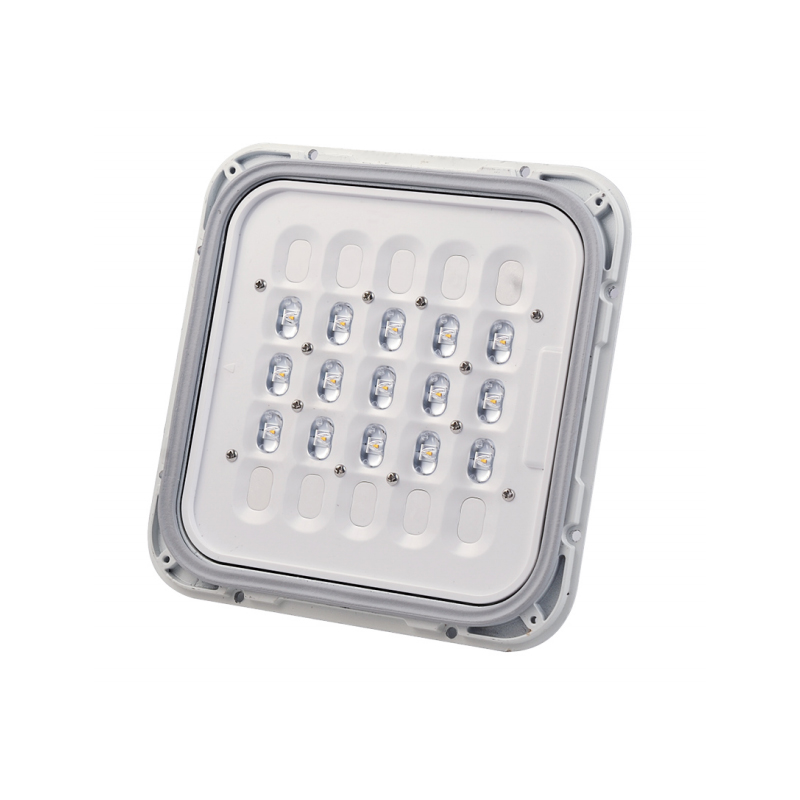
YMLED-6246 Nieuwe rechthoekige LED-gazonverlichting voor buiten
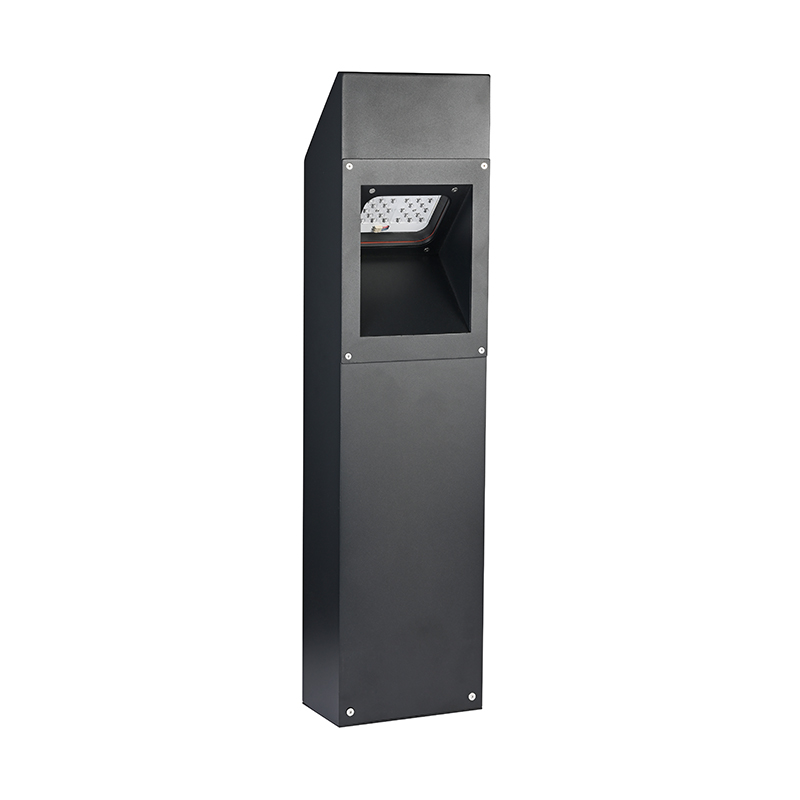

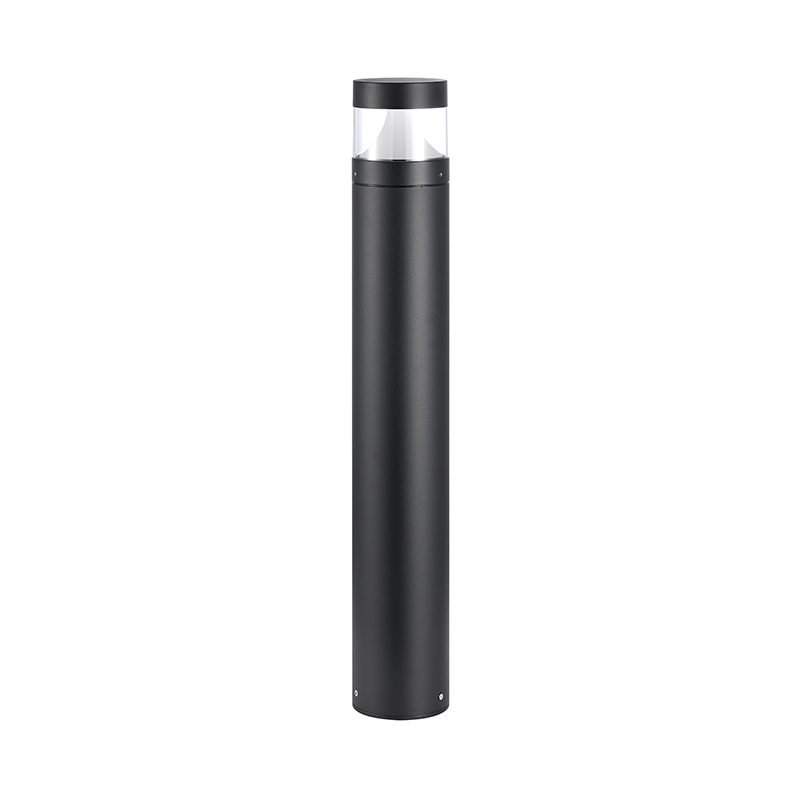
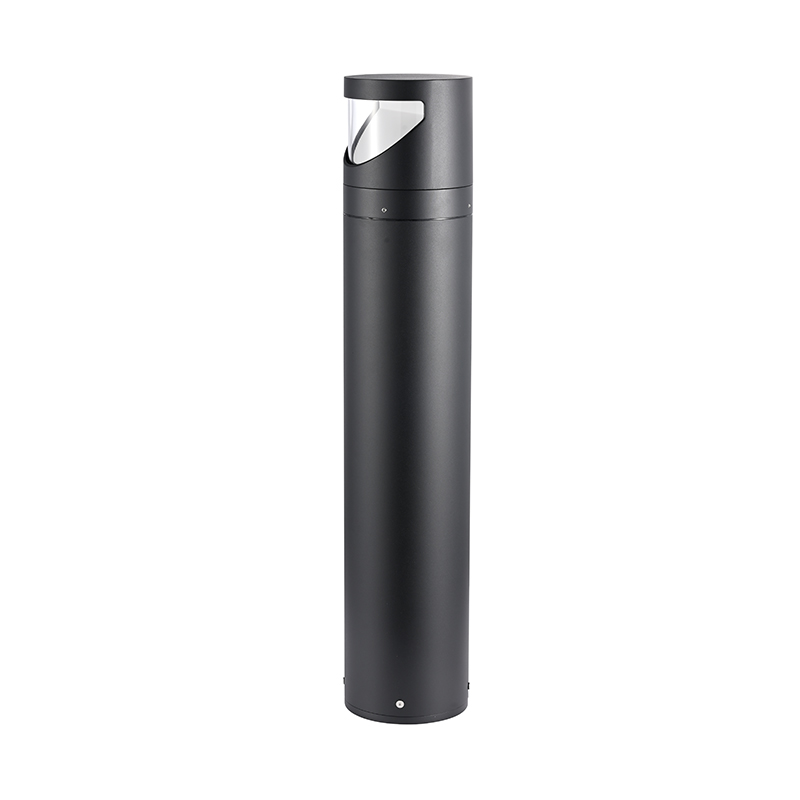
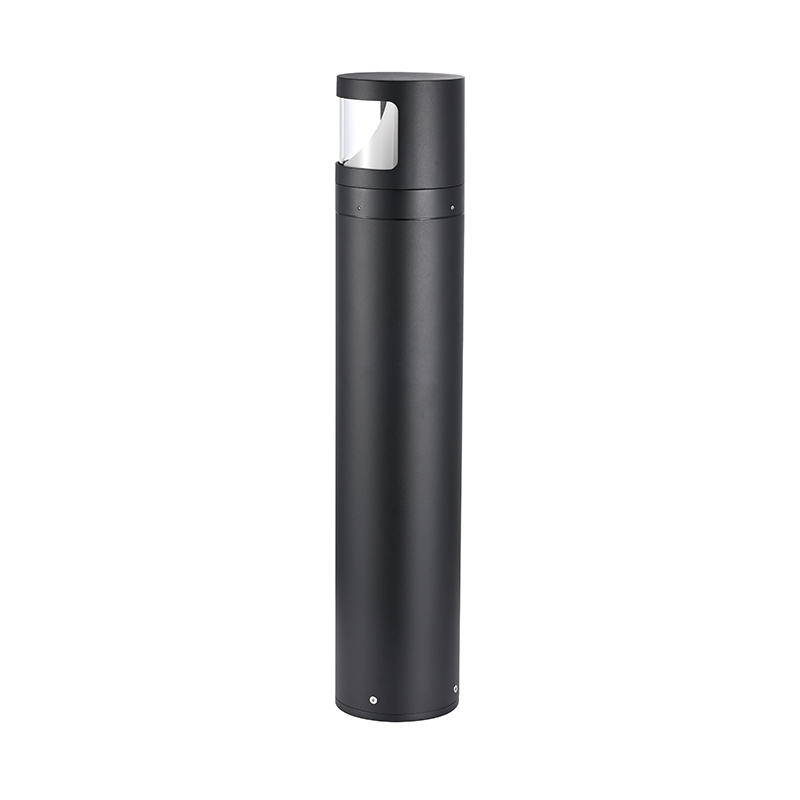
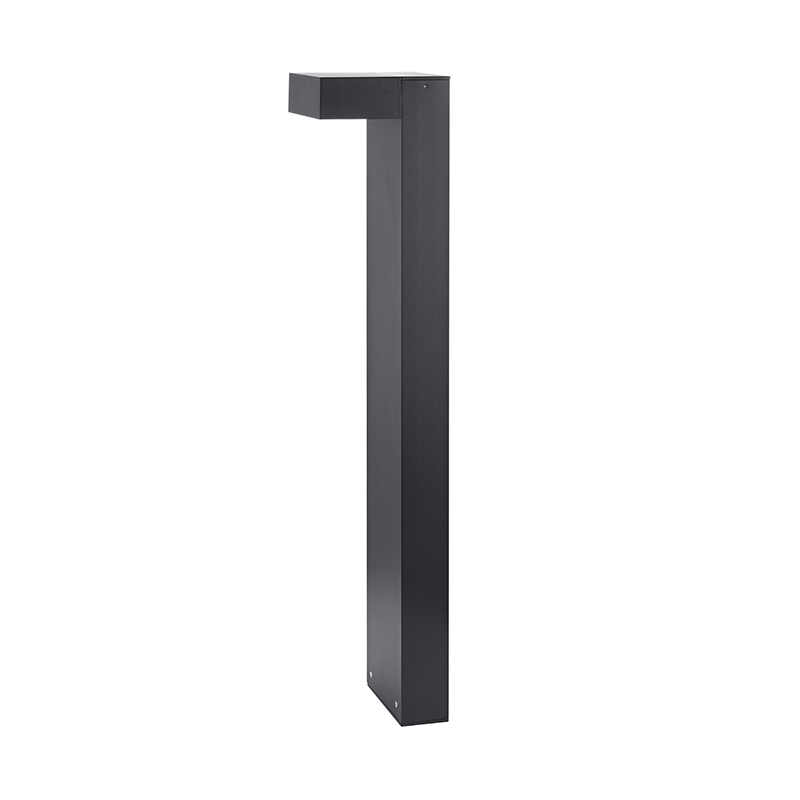
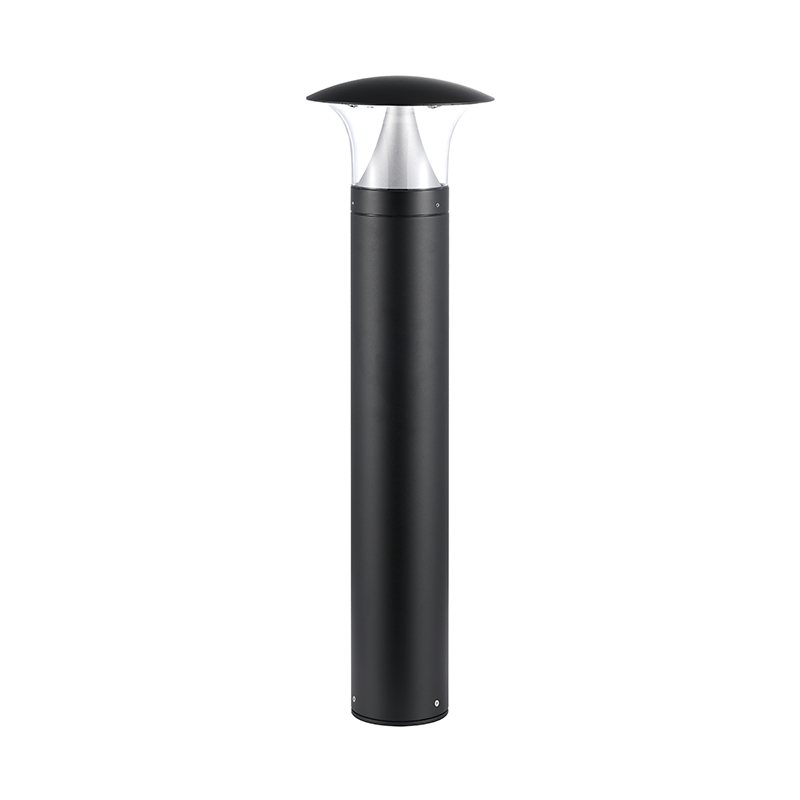
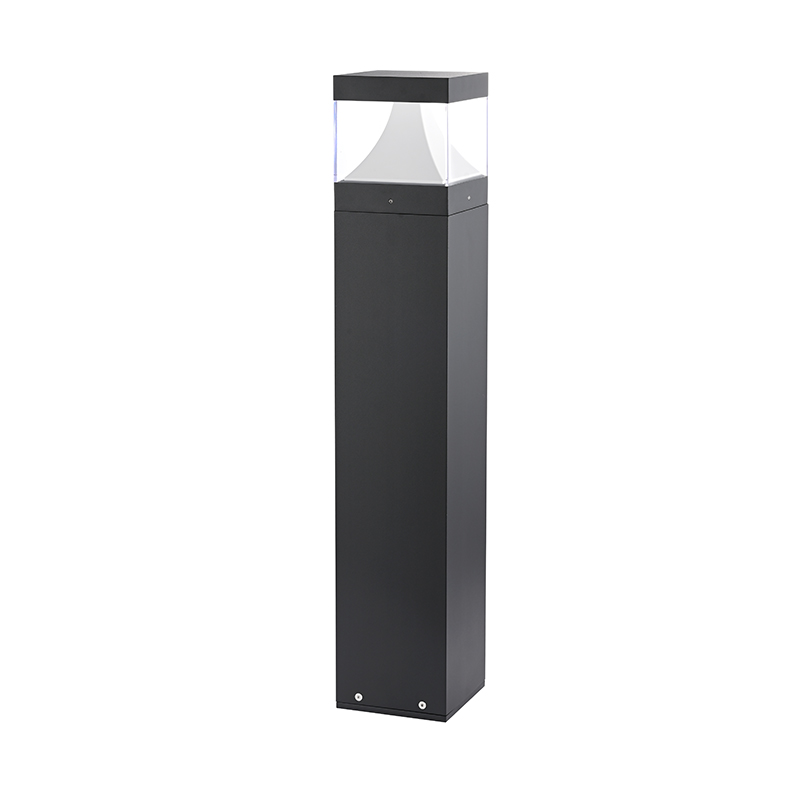
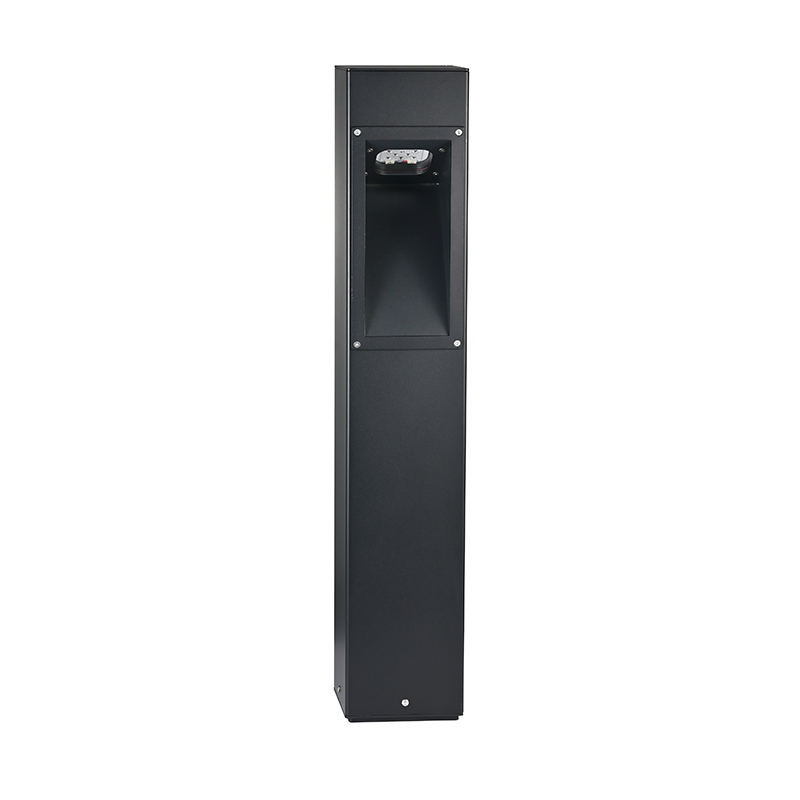
De serie gazonverlichting is speciaal ontworpen voor landschapsgebieden zoals parkgazons, gazons van villatuinen, schilderachtige groene ruimten en residentiële landschapszones, met een kernfocus op "landschapsdecoratie als primaire functie, aangevuld met extra verlichting.
1. De producten maken gebruik van energiezuinige Philips 3030-, Philips 2835- of CREE COB LED-lichtbronnen. Het licht is zacht en delicaat en creëert warme en romantische lichteffecten die de gelaagdheid en esthetische schoonheid van het gazon benadrukken. Kernprestatiekenmerken zijn onder meer energie-efficiëntie, duurzaamheid en een breed scala aan kleurtemperaturen, passend bij verschillende landschapssferen;
2. De ontwerpen zijn nieuw en uniek en omvatten Europese, Chinese, minimalistische en moderne stijlen met beschikbare ronde of vierkante vormen, en de installatie is eenvoudig;
3. Uitgerust met een IP65 water- en stofdichtheid, zijn deze lampen aangepast aan de vochtige omstandigheden van buitengazons; geselecteerde producten ondersteunen DALI-besturing om de energie-efficiëntie en het gemak verder te verbeteren.





Wanneer een lichtspecificatie naar een armatuur op een paal wijst en 'die montage' zegt, beschrijven ze meestal de penbevestiging. Het is de korte metalen stomp die in de basis van de ...
LEES MEERAls je 's nachts achter bijna elk pakhuis, school of winkelgebouw loopt, zie je muurbeugels aan het werk: afgedichte metalen behuizingen die tweeënhalve tot zes meter hoog zijn gemonteerd e...
LEES MEERBeslissingen over de verlichting van parkeerterreinen beginnen meestal met een zichtbaar probleem. Een hoek van de parkeerplaats is 's nachts te donker, een op een paal gemonteerd armatuur ...
LEES MEERTwee parkeerterreinen kunnen worden uitgerust met paalarmaturen met hetzelfde wattage en dezelfde montagehoogte, en de ene zal nog steeds helderder, veiliger en goedkoper in gebruik zijn dan de ...
LEES MEERSuppose you are installing a batch of outdoor LED street lights. The slip fitter opening on each fixture measures 76 mm, but the tenon on the poles at your site is only 60 mm in outer diameter. ...
LEES MEERLawn lighting is a specialized category of low-level outdoor luminaire designed for installation within or alongside park lawns, villa garden lawns, scenic green spaces, and residential landscaping zones. Unlike street lighting or footpath lighting — which prioritize functional illuminance for vehicle or pedestrian safety — lawn lighting operates on a fundamentally different principle: landscape decoration as the primary function, with auxiliary illumination as the secondary role. The goal is not simply to light a surface but to sculpt a nighttime landscape identity that transforms a daytime green space into an atmospheric, layered evening environment.
A well-specified lawn lighting scheme uses low-wattage LED sources to create pools of warm light that define space, highlight planted areas, and guide movement without dominating the environment with brightness. The luminaires themselves — whether in the form of a modern outdoor aluminum LED bollard light, a traditional lantern-style post, or a compact spike-mounted garden light — are visible as landscape furniture during the day and become the primary visual element of the nighttime landscape composition after dark.
The technical architecture of a lawn light is deceptively simple — but the decisions made at each component level determine whether the installed product delivers its intended decorative and functional performance across a service life of 10–15 years in a demanding outdoor environment.
Quality lawn lights use SMD LED arrays — typically 2835-format or 3030-format chips — operating at low drive currents that maximize LED efficacy and minimize heat generation. These formats produce a soft, diffuse light output well-suited to the intimate scale of a garden or lawn environment. Wattages range from 3 W for compact spike-mounted lawn lights to 20 W for taller post-mounted bollards, with lumen outputs calibrated to create the gentle illuminance levels — typically 3–10 lux at ground level — that define a high-quality decorative lawn lighting atmosphere. Color Rendering Index values of CRI ≥ 80 ensure that the natural greens of lawn grasses, the warm tones of bark and soil, and the colors of seasonal planting are all reproduced with natural fidelity after dark.
The post top luminaire is one of the most versatile formats in lawn lighting, mounting the light-emitting assembly directly on the crown of a vertical post at heights typically ranging from 600 mm to 1,200 mm. This elevated position allows the luminaire to distribute light over a wider ground area than low-spike formats while maintaining the human-scale proportion appropriate to a garden setting. Opal diffuser globes, lantern-style glass panels, and frosted polycarbonate enclosures are the most common optical elements used in post top luminaire designs — all work by spreading the LED array output uniformly across the full aperture, eliminating visible LED hotspots and producing the soft, glowing appearance that characterizes premium lawn lighting.
Lawn environments present a uniquely demanding moisture exposure profile for luminaires. Ground-level installation places fixtures directly in the path of lawn irrigation systems, surface water runoff during heavy rainfall, morning dew condensation, and ground fog in low-lying areas. The IP65 ingress protection rating — full dust exclusion and resistance to low-pressure water jets from any direction — is the minimum standard for lawn-installed luminaires. This rating ensures that the LED array and driver compartment remain sealed against all normal moisture exposure conditions, including direct contact with irrigation spray heads that may cycle multiple times per day during growing seasons.
The modern outdoor aluminum LED bollard light has become the defining product format of contemporary lawn and landscape lighting — combining structural durability, design versatility, optical control, and ease of installation in a single, scalable platform suitable for applications from private villa gardens to large-scale municipal park installations.
Die-cast aluminium alloy offers a combination of properties uniquely suited to the lawn lighting application: it is lightweight enough for single-installer handling at typical bollard heights of 600–1,200 mm, thermally conductive enough to function as an effective passive heat sink for the LED array, inherently corrosion-resistant through the formation of a stable oxide layer, and readily formable into the complex profiles and decorative shapes demanded by contemporary landscape design. Powder-coat paint systems applied over a chromate conversion primer provide a durable, UV-stable finish that maintains its appearance across temperature cycles, UV exposure, and the repeated wetting and drying cycles that characterize an outdoor lawn environment. Quality aluminium bollards pass 1,000-hour neutral salt spray testing — ensuring corrosion resistance in coastal and high-humidity garden environments.
Modern outdoor aluminum LED bollard lights are available across a broad design spectrum that allows precise visual alignment with every garden and landscape architectural style:
Lawn bollards are available in both round-section and square-section body profiles. Round profiles produce a symmetric light distribution in all horizontal directions — ideal for bollards positioned centrally within a lawn area or at path junctions where even 360° illumination of the surrounding ground is required. Square profiles allow the designer to orient the bollard's flat faces toward specific viewing directions, and they integrate more naturally with rectilinear hardscape elements such as paved terraces, formal hedges, and geometric planting beds.
The performance advantages of LED technology in lawn lighting applications are decisive across every dimension relevant to residential and commercial landscape owners and operators.
A 5 W LED lawn bollard delivers equivalent decorative illumination to a 35–40 W halogen equivalent. For a residential garden with 20 lawn lights operating 5 hours per night, this translates to an annual energy saving of approximately 1,095 kWh per year — a meaningful reduction in electricity costs that compounds over the LED's 10–15 year service life into a clear financial return on the higher initial investment. For commercial parks and resort grounds with hundreds of lawn luminaires, the saving scales proportionally and typically justifies a complete LED retrofit within 3–5 years.
Traditional halogen lawn lights require lamp replacement every 1,000–2,000 hours — in typical seasonal use, this means one or two replacement cycles per year. LED lawn lights with rated lifespans of L70 ≥ 30,000–50,000 hours eliminate this maintenance cycle entirely for the first 7–12 years of operation. For gardens and parks where luminaires are installed at ground level in planted areas, the access disruption and landscape damage caused by regular lamp replacement is a significant additional cost that disappears with LED adoption.
LED lawn lights are available across the full color temperature spectrum from ultra-warm 2,200 K for intimate villa garden settings through to 4,000 K for contemporary commercial landscape installations. This range allows the lighting designer to precisely tune the atmospheric quality of the illuminated lawn — warm amber tones for romantic, relaxed evening settings; neutral white for modern, architecturally clean landscapes; and intermediate 3,000 K for the balanced warmth appropriate to most residential and hospitality garden environments.
For larger lawn lighting installations — resort gardens, municipal parks, commercial campuses, and large residential estates — smart control integration transforms a collection of individual luminaires into a managed lighting network with significant energy, operational, and experiential benefits.
DALI (Digital Addressable Lighting Interface) control, available on select lawn lighting models, allows individual luminaires or defined groups to be addressed, dimmed, and monitored independently from a central management system. For lawn environments with multiple zones — an entrance avenue, a central lawn, a perimeter planting border, and a water feature surround — DALI enables each zone to operate at a different light level and follow a different time profile, creating a nuanced, dynamic nighttime landscape that changes character through the evening. Stepless dimming from 1–100% allows precise light level control for different occasions — full output for evening events, 40% for normal use, and 15% for late-night security — all managed automatically from a single control interface.
For simpler installations where networked control is not required, integrated photocell dusk-to-dawn sensors and pre-programmed time-based dimming schedules stored in the driver deliver meaningful energy savings with zero ongoing management overhead. A typical two-level dimming schedule — full output from dusk to 23:00, reduced to 30% output from 23:00 to dawn — saves approximately 35–45% of energy versus fixed full-output operation across a full annual cycle, with no impact on the garden's appearance during the evening hours when it is in use.
For public authorities, resort developers, and large residential estate operators issuing competitive tenders for lawn and post top lighting supply, a well-structured specification document is essential to ensure that submitted products meet the performance, quality, durability, and aesthetic requirements of the project. A rigorous tender specification post top light supplier evaluation framework must go beyond wattage and catalog appearance to require documented evidence of real-world performance.
| Parameter | Residential / Garden | Commercial Park / Resort | Evidence Required |
|---|---|---|---|
| Luminaire efficacy | ≥ 80 lm/W | ≥ 100 lm/W | Accredited photometric report |
| L70 lifespan | ≥ 30,000 hours | ≥ 50,000 hours | LM-80 + TM-21 projection |
| Color rendering | CRI ≥ 80 | CRI ≥ 80 | Spectroradiometer test report |
| Color consistency | ≤ 5 SDCM | ≤ 3 SDCM | Chip bin certificate |
| Ingress protection | IP65 | IP65 (IP66 preferred) | Third-party IP test certificate |
| Salt spray resistance | 500 hours (ASTM B117) | 1,000 hours (ASTM B117) | Salt spray test report |
| Warranty | ≥ 3 years | ≥ 5 years | Written warranty document |
The visual success of a lawn lighting installation depends as much on luminaire placement and spacing decisions as on product selection. A well-designed layout creates coherent, layered illumination across the landscape; a poorly designed layout — even with high-quality luminaires — produces uneven brightness, visual clutter, and a character inconsistent with the landscape design intent.
Lawn bollards with outputs of 200–500 lm should be spaced 3–6 m apart along path edges and lawn borders to achieve a ground illuminance of 3–7 lux — appropriate for the decorative P5-classification conditions of most private garden and park lawn areas. Wider spacing with higher-output bollards risks creating the alternating bright-dark scalloping pattern that produces visual discomfort and undermines the smooth, atmospheric quality of a well-designed lawn lighting scheme. A DIALux simulation using the specific bollard's IES photometric file remains the most reliable method for verifying uniformity before finalizing pole positions on larger installations.
The most effective lawn lighting schemes combine the ambient illumination of lawn bollards and post top luminaires with targeted accent lighting from ground-mounted spotlights, tree uplighters, and path edge lighting. This layered approach creates depth and visual interest in the nighttime landscape — the bollards establish the ambient level and guide movement, while accent lights draw attention to focal trees, architectural features, and planted compositions. Color temperature consistency across all layers is essential — mixing 2,700 K bollards with 4,000 K spotlights in the same view creates a jarring, incoherent appearance that reduces the overall quality of the nighttime environment.
Correct installation is the final determinant of lawn lighting performance and longevity. Even high-quality luminaires will fail prematurely if installation details are not executed correctly.
For most lawn and garden environments — private villas, residential estates, park lawns, and resort gardens — warm white at 2,700–3,000 K is the optimal specification. This range creates the warm, romantic atmosphere associated with candlelight and traditional garden lanterns that makes outdoor spaces feel inviting and relaxed after dark. It also complements the natural greens and warm tones of garden planting most effectively. Cooler temperatures (4,000 K+) suit modern architectural landscapes and contemporary commercial installations where visual crispness is prioritized over warmth, but are generally inappropriate for naturalistic and ornamental garden settings.
The quantity depends on the size of the garden, the lumen output of the selected bollard, and the target illuminance level. As a practical starting point for residential lawn applications, plan for one bollard of 300–500 lm output per 15–25 m² of lawn area, with additional fixtures at path junctions, garden entrances, and points of level change. Supplement the lawn bollard layer with targeted spotlights for feature trees and planted areas — this layered approach typically requires fewer bollards than a single-layer scheme and produces a significantly more atmospheric result.
Low-voltage (12V DC or 24V DC) lawn lighting systems powered by a plug-in transformer can typically be installed by a competent DIY user — the low voltage is safe to handle and most low-voltage systems use proprietary quick-connect cables that require no electrical tools. Mains-voltage (230V or 120V) lawn lighting systems — which include the majority of quality aluminium bollards with integrated drivers — must be installed by a qualified and licensed electrician in most jurisdictions, as they require connection to the fixed wiring of the building's electrical installation and compliance with local outdoor electrical safety codes.
Mechanical damage from lawn mowing equipment is the most common cause of premature bollard failure in installed lawn lighting. Prevention strategies include: specifying bollards with a robust base diameter of at least 80–100 mm that creates a visible obstacle, positioning bollards at the edge of mowing zones rather than within the central cut area, installing low-profile edging stones or a defined grass-free margin around each bollard base, and briefing maintenance staff on bollard locations before each mowing season. For high-traffic commercial park installations, IK08-rated bollard housings provide additional resistance to incidental mechanical contact.
 Privé-industrieterrein, Liangnong-stad, Yuyao-stad, Ningbo-stad, provincie Zhejiang, China
 +86-13486062091
 +86-574-2222 2345
 +86-574-2267 2345
 info@ym-lighting.com
